
HUMAN INFLUENCE
Marketing in the Age of AI
AI IS CHANGING THE
ECONOMICS OF
CONTENT.
HUMAN INFLUENCE
IS CHANGING THE
ECONOMICS
OF TRUST.
There has never been more content. Every day, millions of AI-generated images, videos, captions and campaigns compete for our attention. What once required a creative team, a production budget and weeks of planning can now be created in minutes. Content has become faster, cheaper and infinitely more abundant.
The new trust gap
For marketers, this is both an extraordinary opportunity and a growing challenge. Because while AI has democratized creation, it has also commoditized it. Consumers are no longer asking whether content looks good. They are asking whether they can trust it.
In a world where almost anything can be generated, authenticity is no longer a creative choice. It has become a competitive advantage.
From metrics to relationships
That shift is changing creator marketing. For years, the industry was measured by followers, impressions and engagement rates. Success often meant reaching more people, producing more content and publishing more frequently.
Today, those metrics still matter. But they no longer tell the whole story. The brands creating the greatest impact are not necessarily the ones producing the most content. They are the ones building the strongest relationships with the people their audiences already trust.
Or perhaps more importantly: the communities they have chosen to build.
The value of human storytelling
Recent industry developments point in the same direction. Cannes Lions 2026 marked a notable shift in the conversation around AI. Rather than celebrating automation for its own sake, many of the festival’s most influential discussions focused on creativity, culture and the enduring value of human storytelling. Creators were no longer treated as an emerging discipline. They became one of the defining themes of the festival.
The data tells a similar story. CreatorIQ describes the industry as entering an Era of Efficacy, where brands are moving beyond experimentation and demanding measurable business impact, stronger governance, and long-term creator partnerships. Kantar reaches a similar conclusion: while AI is transforming how marketing is created, long-term growth will increasingly depend on trust, cultural relevance, and meaningful human connection.
Our point of view
This report is our point of view on the structural shifts redefining creator marketing across the Benelux and Europe.
Based on what we’re seeing every day across our region, we believe six new rules will shape the next era of creator marketing. These aren’t predictions. They’re already happening.
The brands that recognize them first will build stronger communities, create more effective campaigns and earn something that is becoming increasingly scarce in the age of AI.
This is Human Influence.
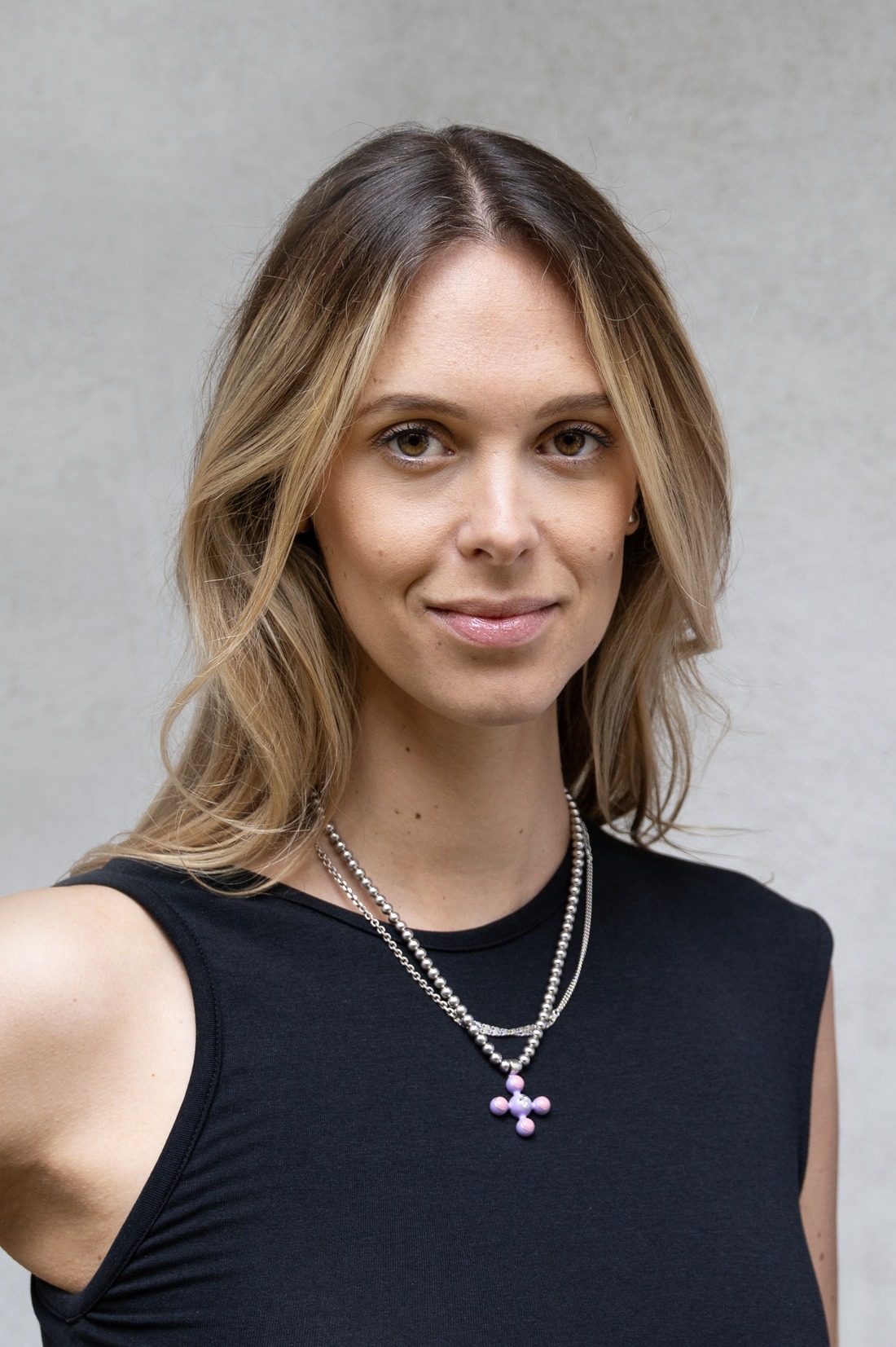
A POINT OF
VIEW BY SHANICE

THE HUMAN
INFLUENCE FRAMEWORK
- AI MAKES CONTENT ABUNDANT.
- CONTENT BECOMES A COMMODITY.
- ATTENTION BECOMES FRAGMENTED.
- TRUST BECOMES SCARCE.
- COMMUNITIES BECOME MORE VALUABLE.
- HUMAN INFLUENCE BECOMES THE COMPETITIVE ADVANTAGE.
RULE #1
HUMAN INFLUENCE
IS BECOMING
A PREMIUM
As content becomes easier to create, trust becomes harder to earn. Two years ago, the internet had a content problem. Today, it has a credibility problem.
The cost of producing content has collapsed
For more than a decade, the challenge for brands was straightforward: produce enough content to stay relevant. Creating social content required time, creative talent and significant investment. The brands that could consistently produce high-quality work had a clear competitive advantage.
Generative AI has fundamentally changed that equation. Today, almost anyone can create campaign visuals, write copy, generate product photography or produce short-form video within minutes. The cost of producing content has collapsed. For marketers, that’s remarkable progress, but abundance changes value.
The new scarcity: belief
When content becomes easier to create, content itself becomes less distinctive. Consumers are exposed to more posts, more videos and more advertising than ever before, making attention increasingly fragmented and trust increasingly difficult to earn. The challenge facing brands is no longer creating content. It’s creating belief.

Creator marketing is moving beyond experimentation toward measurable business impact, stronger governance and long-term partnerships. Future growth will depend less on producing more content and more on building brands people trust.
This is where creator marketing enters a new phase. Not because creators produce more content than brands. But because they produce something AI cannot manufacture. Relationships. Communities. Trust.
Community is not generated. It is earned.
AI as an assistant, not a replacement
This is also why we believe the debate around AI replacing creators has largely missed the point. AI is an extraordinary creative assistant. It can help creators brainstorm ideas, edit videos, translate captions, accelerate production and improve workflows.
The creators who embrace AI will almost certainly become more efficient. But AI cannot replace the years of consistency required to build a loyal community. It cannot replicate shared experiences between creators and the people who choose to follow them. It cannot manufacture credibility every time a recommendation is made.
People follow people
We’ve already seen this play out in practice. Virtual influencers periodically generate headlines and demonstrate what’s technically possible, yet few have built communities comparable to those of human creators.
Even in Belgium, experiments such as Hurae’s AI influencer Bobbi Lee generated curiosity and valuable discussion within the industry. Yet they also reinforced a broader truth. People may admire technology. They choose to follow people. That distinction matters.
As AI continues to lower the cost of producing content, the value of genuinely trusted creators will continue to rise. Not because their content is impossible to imitate. Because their relationships are.
THE VALUE OF GENUINELY TRUSTED CREATORS
WILL CONTINUE TO RISE. NOT BECAUSE THEIR
CONTENT IS IMPOSSIBLE TO IMITATE.
BECAUSE THEIR RELATIONSHIPS ARE.

OONA/BAAS PERSPECTIVE
Artificial intelligence will transform every stage of content creation.
- It will help brands work faster.
- It will help creators work smarter.
- It will help agencies become more efficient.
But it won’t replace the human relationships that make creator marketing effective. If anything, AI is making those relationships more valuable.
As content becomes abundant, trust becomes the premium.
WHAT THIS MEANS FOR BRANDS
- Use AI to improve creative efficiency, not to replace human relationships.
- Prioritize creators with strong communities over creators with the largest audiences.
- Measure success beyond reach by looking at engagement quality, community affinity, and long-term partnerships.
- Invest in creators who have earned trust over time rather than chasing short-term attention.
PROOF IN PRACTICE
For AXA, we turned a classic influencer briefing around protecting entrepreneurs into a long-term content platform ‘A Restaurant in 100 Days’ built around chef-entrepreneur Loïc Himpe and the real decisions, pressure, and risks behind opening a restaurant.
AXA became an official partner of the four-part documentary, supported by social content throughout the campaign, offline press moments, and a long-term ambassador approach. The value was not just visibility, but relevance: Loïc gave AXA’s entrepreneur audience a real story to recognize themselves in: not a polished success story, but the reality of building something of your own.
From buying reach to building lasting value: the strongest creator partnerships are built on shared ambition.
RULE #2
INFLUENCE IS
BECOMING
OWNERSHIP
There was a time when creator marketing was easy to evaluate: a creator posted, the campaign generated reach, the brand paid a flat fee and the campaign was complete. Those days are quickly disappearing.
From reach to business outcomes
As creator marketing matures, marketers are asking different questions. Not “How many people did we reach?” but “What did this campaign actually deliver?” The industry is moving away from buying exposure toward buying business outcomes.
Creator marketing is no longer competing for a small innovation budget. It’s increasingly competing with paid media, brand campaigns, and performance marketing.
That evolution changes how brands should think about creators. Creators are no longer just media inventory. They’re commercial partners. But something else has changed too. The creator economy isn’t growing up. It’s starting to own what it creates.

From community to company
Across the world, creators are launching beauty brands, investing in consumer products, taking equity stakes, and building companies that compete with established players. MrBeast built Feastables. Emma Chamberlain built Chamberlain Coffee. Hailey Bieber transformed Rhode into one of the fastest-growing beauty brands in the world.
We’re seeing the same evolution in the Benelux. Average Rob didn’t stop at building one of Belgium’s strongest communities. He co-founded Tout Bien, turning community into a consumer brand. In the Netherlands, Gisou, founded by creator Negin Mirsalehi, has become an internationally recognized beauty brand rooted in years of trust and consistency. More recently, STËLZ strengthened its position by bringing Monica Geuze on board as a strategic partner rather than simply the face of a campaign.
Why creator-led brands work
These creators aren’t succeeding because they have followers. They’re succeeding because they’ve spent years understanding the communities they’ve built.
Traditional brands often start with a product and then look for an audience. Creators increasingly do the opposite.
They build a community first; they listen, they learn. And only then do they build products and businesses that naturally fit the people who already trust them. That changes the relationship between brands and creators.
Beyond the flat fee
Flat-fee collaborations aren’t disappearing. But they are no longer the only model. We’re seeing more brands combine fixed fees with affiliate partnerships, creator codes, revenue-sharing models, and long-term ambassador programs. Rather than paying purely for exposure, brands are increasingly rewarding creators for the business value they create.

That commercial maturity is already visible in the Benelux. Creator marketing has become a mature media channel with corresponding expectations. Average creator CPMs are now around € 30, although the category makes a significant difference. Beauty and fashion typically range between € 20-25 CPM, while alcohol, fast food, technology, and automotive collaborations often reach € 35-40 CPM due to greater production requirements, specialist audiences, or stricter regulations.
That means the conversation can no longer be only about negotiating lower creator fees. The bigger opportunity is to design smarter commercial partnerships. Package agreements with leading talent agencies can reduce operational complexity, while hybrid compensation models, including affiliate partnerships, creator codes, and social commerce, create stronger alignment between creator success and business performance.
Social commerce is accelerating the shift
TikTok Shop is accelerating this evolution. In markets such as the UK, the US, and across Asia, creator-led commerce has become a proven growth engine, particularly in beauty and fashion. Brands have demonstrated that when discovery, trust, and purchase happen in the same environment, creators become more than storytellers. They become part of the commercial journey. Whether the same model will develop at the same pace in the Benelux remains to be seen.
The Benelux market has different shopping habits, stronger retail traditions, and lower levels of impulse purchasing than many Asian markets. We expect beauty, fashion, and digitally native brands to lead the way, while categories such as FMCG, automotive, and premium consumer electronics will likely adopt social commerce more gradually.
The direction, however, is clear. The creator economy is maturing from endorsements to entrepreneurship.
THE MOST INFLUENTIAL CREATORS ARE NO
LONGER JUST BUILDING COMMUNITIES.
THEY’RE BUILDING BUSINESSES.
OONA/BAAS PERSPECTIVE
The brands creating the greatest value from creator marketing no longer see creators as media channels. They see them as entrepreneurs.
The question is no longer: “How much does this creator cost?” It’s: “What can we build together?”
The strongest partnerships won’t be measured by the number of posts they generate.
They’ll be measured by the value they create for brands, for creators, and for the communities they serve.
WHAT THIS MEANS FOR BRANDS
- Measure creator marketing against business outcomes, not just media metrics.
- Explore hybrid compensation models that create value for both the brand and the creator.
- Build long-term creator partnerships instead of repeatedly buying one-off campaigns.
- Choose creators for the strength of their communities, not simply the size of their audience.
PROOF IN PRACTICE
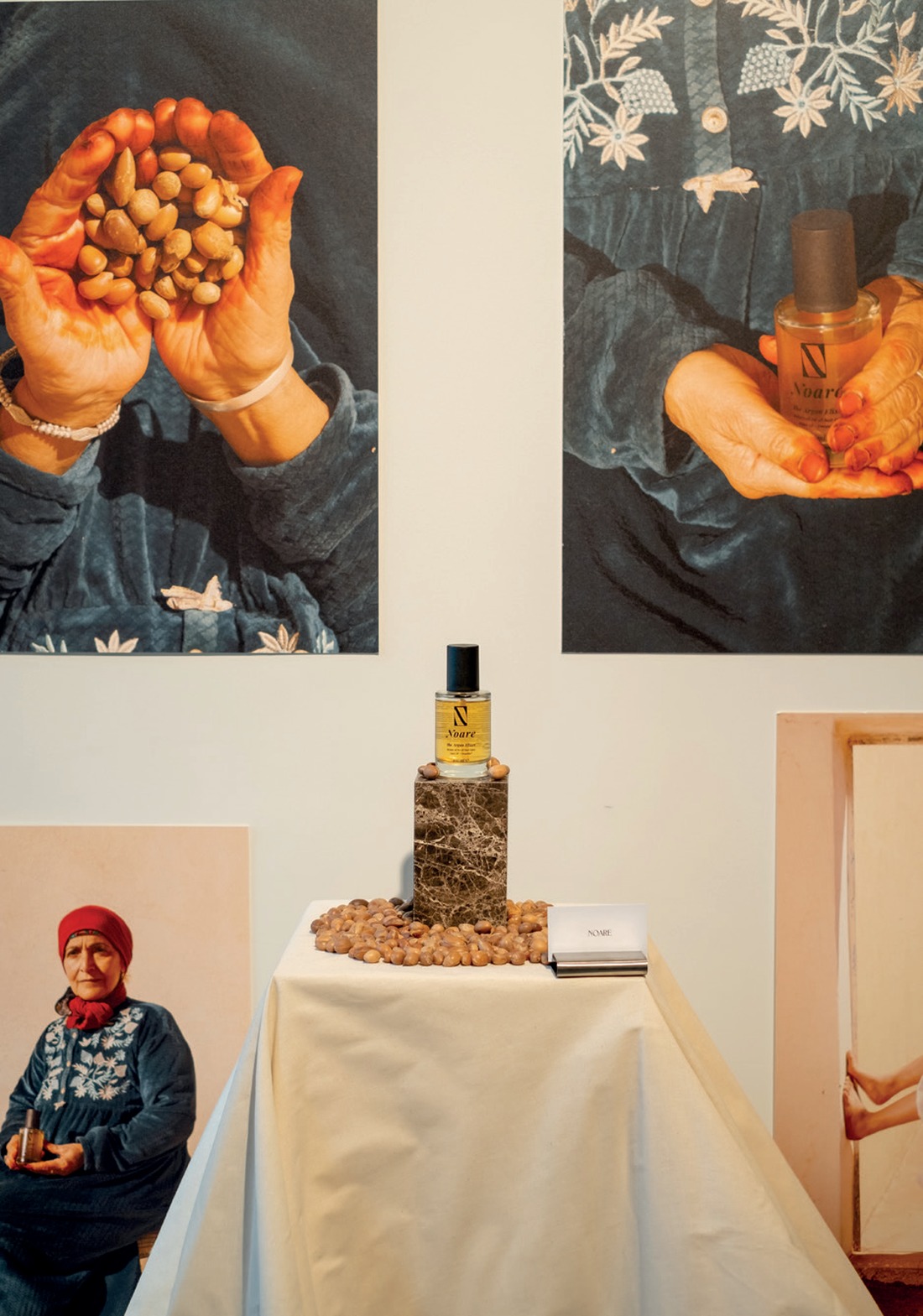
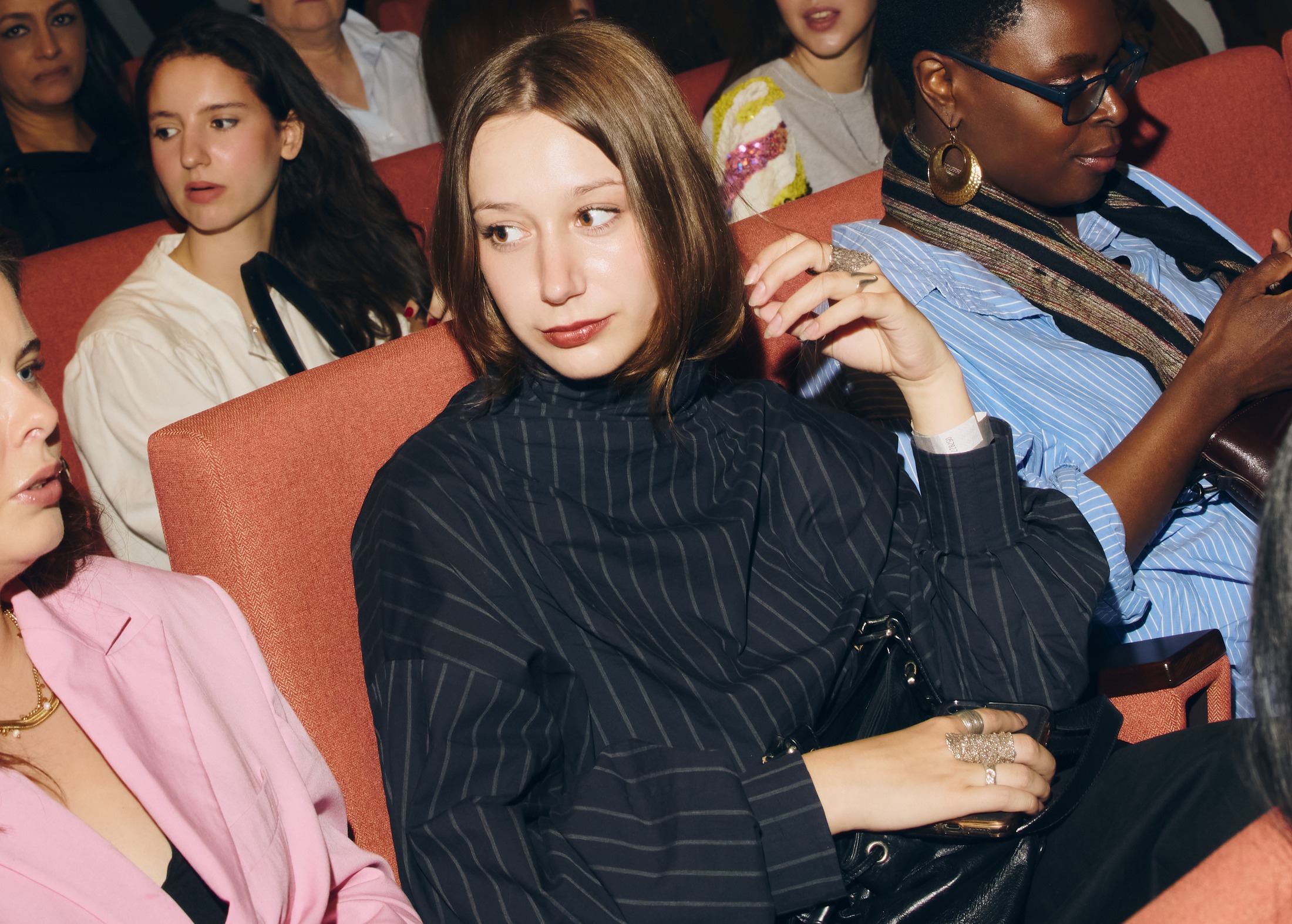
Through our OONA/BAAS Beauty Day, we gave actress and entrepreneur Nora Dari a platform after the launch of Noare, her haircare brand rooted in Moroccan heritage and traditional argan oil rituals. The case shows how creator influence can grow into something bigger than endorsement: a brand built from personal story, cultural credibility, and product vision.
When influence is deeply personal, it can become something creators own.
RULE #3
TRUST AND CONTENT
ARE NO LONGER
THE SAME PRODUCT

For years, brands expected creators to do two jobs at once. Build trust and produce content.
As creator marketing has matured, those two roles have started to separate. Not because creators have changed, but because marketing has.
The demand for content has grown
Today, brands need more content than ever before. Always-on social media, paid campaigns, retail media, multiple formats, and platform-specific assets have dramatically increased the demand for creative production.
At the same time, creator partnerships have become more valuable. Not because creators are simply producing content, but because they’ve built something brands cannot create overnight: Communities.
The new distinction
Trust and content are no longer the same product. The value of creator partnerships lies in their communities. The value of UGC lies in the content itself. Both are incredibly valuable, but they solve fundamentally different business challenges.
Creator partnerships are community-first. UGC is product-first.
Creator partnerships are community-first
Creators introduce brands to communities they’ve spent years building. Their content is designed around their own story, personality, and relationship with the people who choose to follow them. The product supports that story.
UGC is product-first
UGC works differently. Its purpose isn’t to reach an existing community. Its purpose is to make branded content feel native to social media. The product becomes the protagonist. The creator simply helps explain it in a way that feels genuine, relatable, and platform-native.
That’s why UGC has become such an effective format for owned channels, paid social, and retail media. Not because UGC creators necessarily have influence themselves, but because their content feels more human than traditional advertising.
Why the distinction matters
Confusing these two disciplines often leads to disappointing campaigns. Brands sometimes invest in creators with highly engaged communities when what they actually need is a scalable stream of creative assets for paid media. Others expect UGC to generate the same organic credibility and community impact as established creators. Neither approach delivers its full potential.
The strongest strategies combine both
Creators generate awareness, trust, and conversation. UGC extends the life of that idea across owned channels, paid campaigns, and performance marketing. Together, they create a far more efficient content ecosystem.
As buyout costs for creator content continue to rise, we’re seeing more brands adopt this model. Rather than paying premium licensing fees to repurpose influencer content across multiple channels, they increasingly separate the objectives: creator partnerships build influence, while dedicated UGC production delivers scalable creative built specifically for advertising. It’s a smarter division of roles and ultimately, a smarter investment.
CREATORS DON’T CREATE VALUE BECAUSE
THEY MAKE CONTENT. THEY CREATE VALUE
BECAUSE PEOPLE CHOOSE TO WATCH IT.

OONA/BAAS PERSPECTIVE
Brands often ask whether they should invest in creators or UGC. We believe that’s the wrong question.
The better question is: “Do you need someone to introduce your brand?” Or…“Do you need someone to explain your product?”
Creators excel at the first. UGC excels at the second.
The strongest campaigns understand when to use each and when to combine both.
WHAT THIS MEANS FOR BRANDS
- Define whether your objective is community, content, or both before selecting creators.
- Invest in creator partnerships when trust, community, and organic relevance are the priority.
- Invest in UGC when you need scalable creative for owned, paid, retail, or performance channels.
- Stop evaluating creators and UGC creators against the same KPIs. They create value in different ways.
PROOF IN PRACTICE
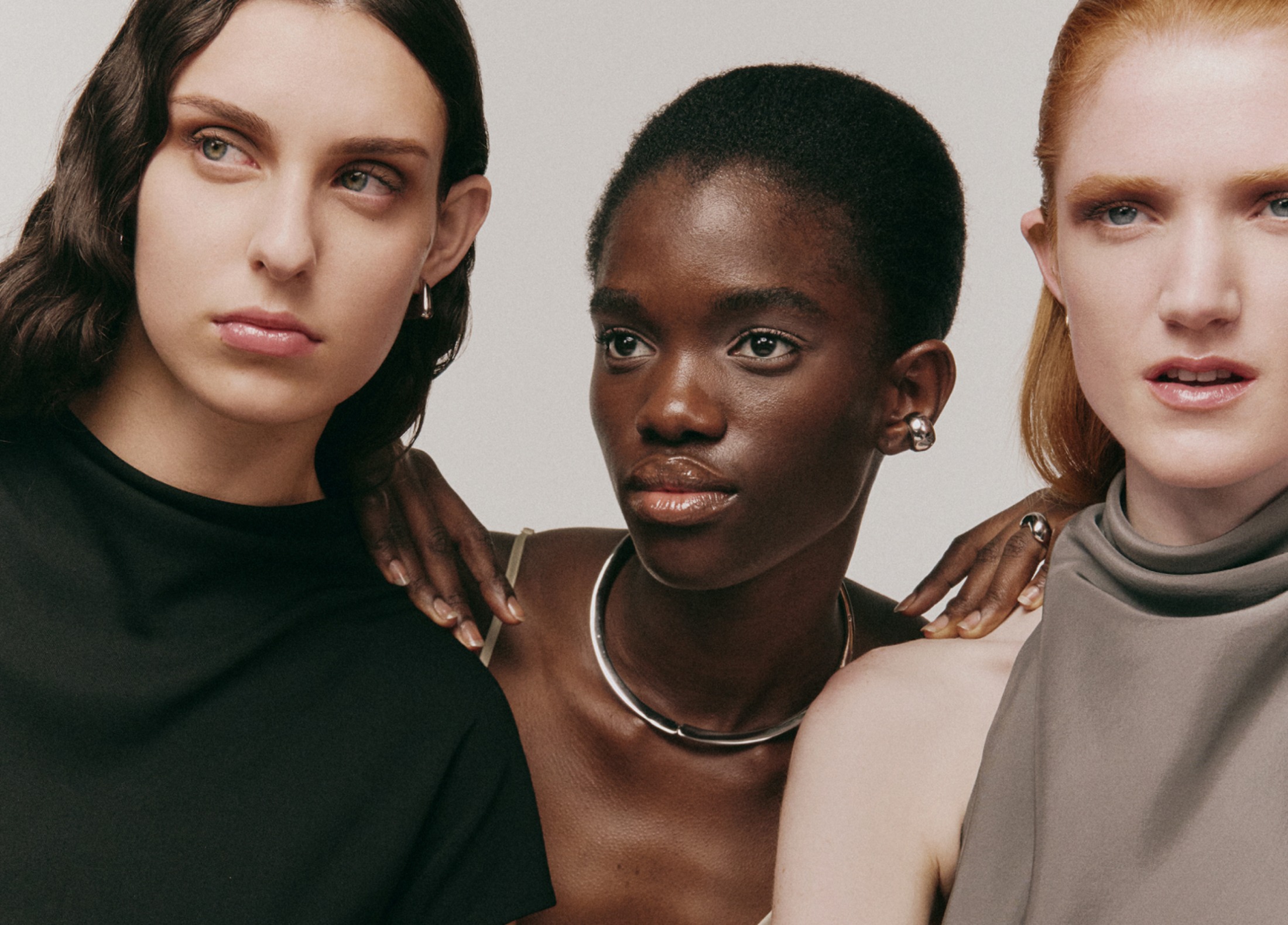
For Omnivit Hair Glam, OONA/BAAS built two complementary creator tracks. A select group of creators tested the product over three months and shared their personal journey, while a separate UGC pool created monthly content for owned and paid channels.
Creators built trust through lived experience. UGC delivered scalable content. Together, they created a stronger ecosystem than one approach could have delivered alone.
RULE #4
INCLUSION SHAPES
INFLUENCE
Brands often ask how they can become more culturally relevant. The answer rarely starts with a campaign. It starts with who gets invited into the room.
Inclusion makes representation real
Inclusion means listening beyond the usual circle. Making room for different lived experiences. Recognizing that no community is one single point of view. And understanding who people already trust. Representation is what becomes visible when that inclusion is real.
In the people who appear. The stories being told. The references that feel true. And the voices trusted to tell them. Because communities are not audiences waiting to be reached. They are people with their own humor, histories, rituals, tensions, and ways of seeing the world.

Relevance follows respect
Creators and communities shape what gets noticed, discussed, trusted, and shared. That influence cannot simply be borrowed at the end of a campaign. It grows from relationships, understanding, and respect built much earlier.
When brands leave voices out, they do not only miss part of the conversation. They miss part of the culture they are trying to be part of. And that matters for brand relevance too.
Because the brands that understand more of the communities around them are better equipped to create work that feels relevant, earns trust, and resonates beyond the campaign moment.
Inclusion is not a shortcut to brand relevance and growth. But without it, it becomes harder to sustain.

The Sephora Belgium lesson
We saw that during Sephora’s first Belgian store opening. The arrival generated excitement, but criticism around the creator event quickly became part of the story. Several Black creators felt their communities had been overlooked, shifting the conversation from a flagship opening to a broader discussion about representation in Belgian creator marketing, leading to a 44% negative sentiment score around the launch week as measured by Brandwatch.
The lesson was not that brands need longer guest lists. It was that inclusion starts long before the invitations go out. It starts with understanding who already shapes the conversation.
Who communities trust. Whose perspective is missing. And who should be part of the process before the campaign goes live.
Representation is what people see. Inclusion is how brands make it real.
COMMUNITIES DON’T JUST REFLECT
CULTURE. THEY CREATE IT.

OONA/BAAS PERSPECTIVE
Inclusion is not a final check before launch. It is how brands understand the communities shaping culture.
Representation becomes meaningful when different voices are included earlier: in the thinking, the decisions, the creator selection, and the relationships behind the work.
This matters first on a human level. People want to feel seen, heard, and understood.
And it matters for brand relevance and growth too.
Because brands that understand more of the communities around them are better equipped to create work that feels relevant, earns trust, and resonates beyond the campaign moment.
Culture cannot be manufactured from the outside. It has to be understood from within.
WHAT THIS MEANS FOR BRANDS
- Start with the communities shaping the culture, not only the audiences in the media plan.
- Include different voices earlier in strategy, concept development and creator selection, not only at launch.
- Look beyond follower counts and demographics to understand who people trust, who shapes conversations, and whose perspective is missing.
- Treat representation as the visible outcome of inclusion, not as a last-minute casting decision.
- Build cultural relevance through respect and understanding, not through shortcuts.
PROOF IN PRACTICE
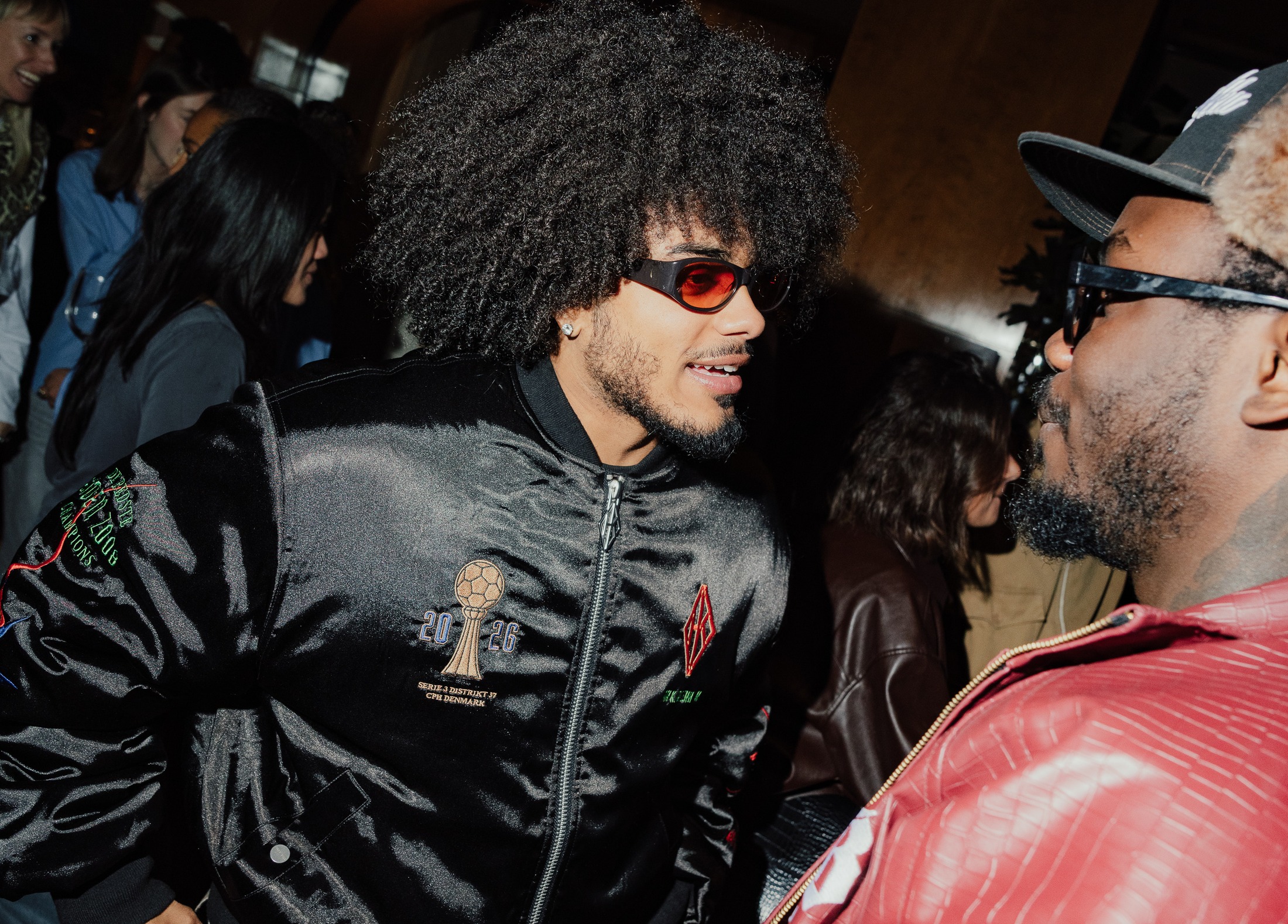
Before WorldPride Amsterdam officially started, Levi’s® and OONA/BAAS created space for queer stories, literature, and conversation together with Athenaeum Bookshop. We brought Box Hill to life through literature, spoken word and connection. The collaboration included a window takeover, book pick-up moments and an intimate Pride Book Club in the Levi’s® Lounge with queer creators, writers, readers and members of the LGBTQIA+ community.
Representation was not the starting point. Inclusion was. And because the right voices were invited in early, the story became more meaningful before it became visible. It became a space for dialogue, shared stories, and genuine community connection.
RULE #5
CONVERSATION IS
THE NEW REACH
For years, brands believed the most important thing they could do on social media was publish more content. Increasingly, that’s no longer true. Because the value of social media no longer lives in the post. It lives in the conversation around it.
Reputation lives in the replies
The strongest creator campaigns no longer end when the content goes live.
That’s when they begin. Every comment, every recommendation, every reply, every discussion. Together, they create something far more valuable than engagement. They create reputation.
That’s why we’re seeing a subtle but important shift in creator marketing. The most successful creators don’t just publish. They participate. They reply to comments. They answer questions.
They continue conversations. They nurture the communities they’ve spent years building. Brands should think the same way.

Community management becomes strategic
Community management is no longer simply a customer service function. It’s becoming a strategic marketing discipline.
We’re increasingly encouraging brands to involve creators beyond content production alone. Whether they’re long-term ambassadors, campaign partners, or UGC creators, inviting them back into the conversation creates a far more authentic dialogue than asking the brand to answer every question itself. People expect brands to communicate. They appreciate it when people communicate.
AI Search changes discovery
But the importance of conversation goes even further. The rise of AI search is changing how brands are discovered. Marketing teams across the world are increasingly asking how they can improve their visibility in LLMs such as ChatGPT, Gemini, and Claude. The instinctive response is often to create more content. We believe that’s the wrong starting point.
Large language models don’t simply repeat what brands publish about themselves.
They increasingly synthesize information from trusted third-party sources, product reviews, community forums, creator content, and the conversations people have across platforms like Reddit, YouTube, and X.
In other words: Tomorrow’s AI visibility will increasingly be influenced by today’s community conversations. That’s a fundamental shift.
Creator marketing becomes reputation marketing
For years, brands focused on optimizing content for search engines. Increasingly, they’ll also need to think about how communities experience, discuss, and recommend their brand online. Because that’s the information AI increasingly learns from.
Creator marketing has traditionally been viewed as a content discipline. Increasingly, it’s becoming a reputation discipline. Not because creators publish more. But because they generate the conversations that shape how brands are perceived, recommended, and discovered.
Content creates visibility. Conversation creates credibility. The brands that understand this won’t simply publish more. They’ll participate more.
WHAT BRANDS SAY ABOUT
THEMSELVES MATTERS.
WHAT COMMUNITIES SAY ABOUT
BRANDS MATTERS EVEN MORE.

OONA/BAAS PERSPECTIVE
Brands are asking: “How do we rank in ChatGPT?” But the better question is: “What is the internet saying about us?”
Because AI visibility will increasingly be shaped by the conversations, recommendations, reviews, creator content, and community signals that surround a brand online.
Community management is no longer the final step of a campaign. It’s becoming one of its most valuable investments.
The question brands should ask is no longer: “What are we going to publish?” It’s: “What conversation do we want to start?”
The strongest creator campaigns don’t end with content delivery. They continue through the communities they activate.
WHAT THIS MEANS FOR BRANDS
- Design campaigns that generate conversations, not just impressions.
- Brief creators on community engagement, not only content creation.
- Measure the quality of conversations alongside reach and engagement.
- Invest in community management as part of your creator strategy, not as an afterthought.
- Think about discoverability beyond search engines: today’s community conversations increasingly shape how brands may be found, understood, and recommended tomorrow.
PROOF IN PRACTICE
For Kringwinkel, we turn community management into a source of community intelligence. Through proactive moderation and weekly social listening across brand mentions and conversations around secondhand shopping, we identify recurring questions, concerns, and emerging topics within the community. Those insights feed an evolving Q&A framework and content recommendations, helping Kringwinkel communicate consistently, anticipate what people need, and create content rooted in real conversations.
Conversation is not just something Kringwinkel responds to. It is something the brand learns from.

RULE #6
THE BEST SOCIAL
CONTENT
INCREASINGLY STARTS
OFFLINE
For years, brands have been optimizing for screens. More content. More impressions.
More platforms. More visibility. Yet something unexpected is happening.
Offline moments become more valuable
As our digital lives become increasingly crowded, real-world experiences are becoming more valuable. Not because people are spending less time online. But because the moments worth sharing increasingly happen offline.
We’re seeing a clear resurgence of creator events, community experiences, and brand activations across the Benelux. But the objective has changed. The best events are no longer designed for the people in the room. They’re designed for everyone who will experience them afterward.
Events are becoming content hubs
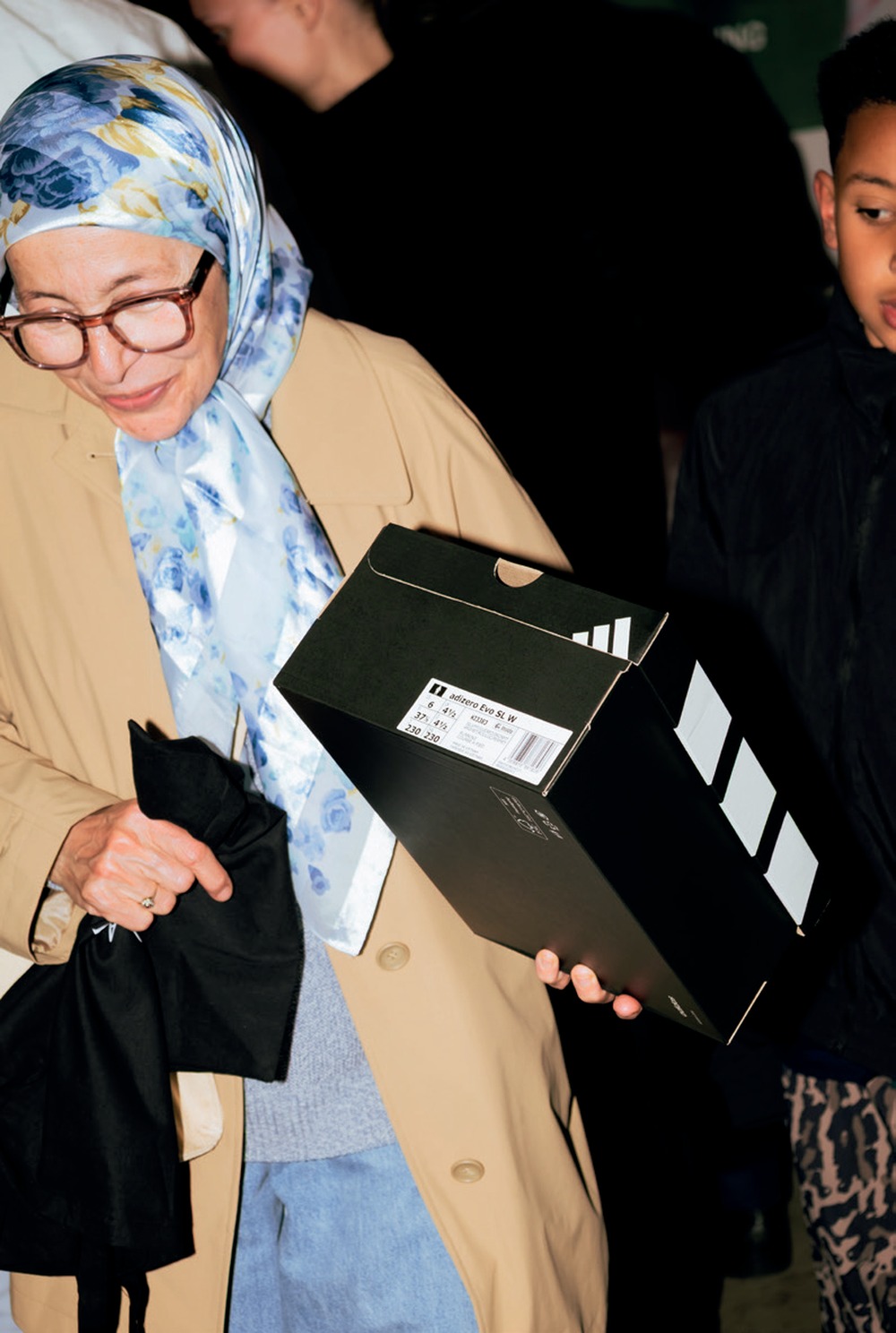
Events are no longer just experiences. They’ve become content hubs. The event itself is only the starting point of professional photography, social-first video, creator content, behind-the-scenes moments, owned media, earned media and community conversations.
The strongest events are designed as complete storytelling ecosystems that continue to create value long after the last guest has gone home.
Capture is part of the strategy
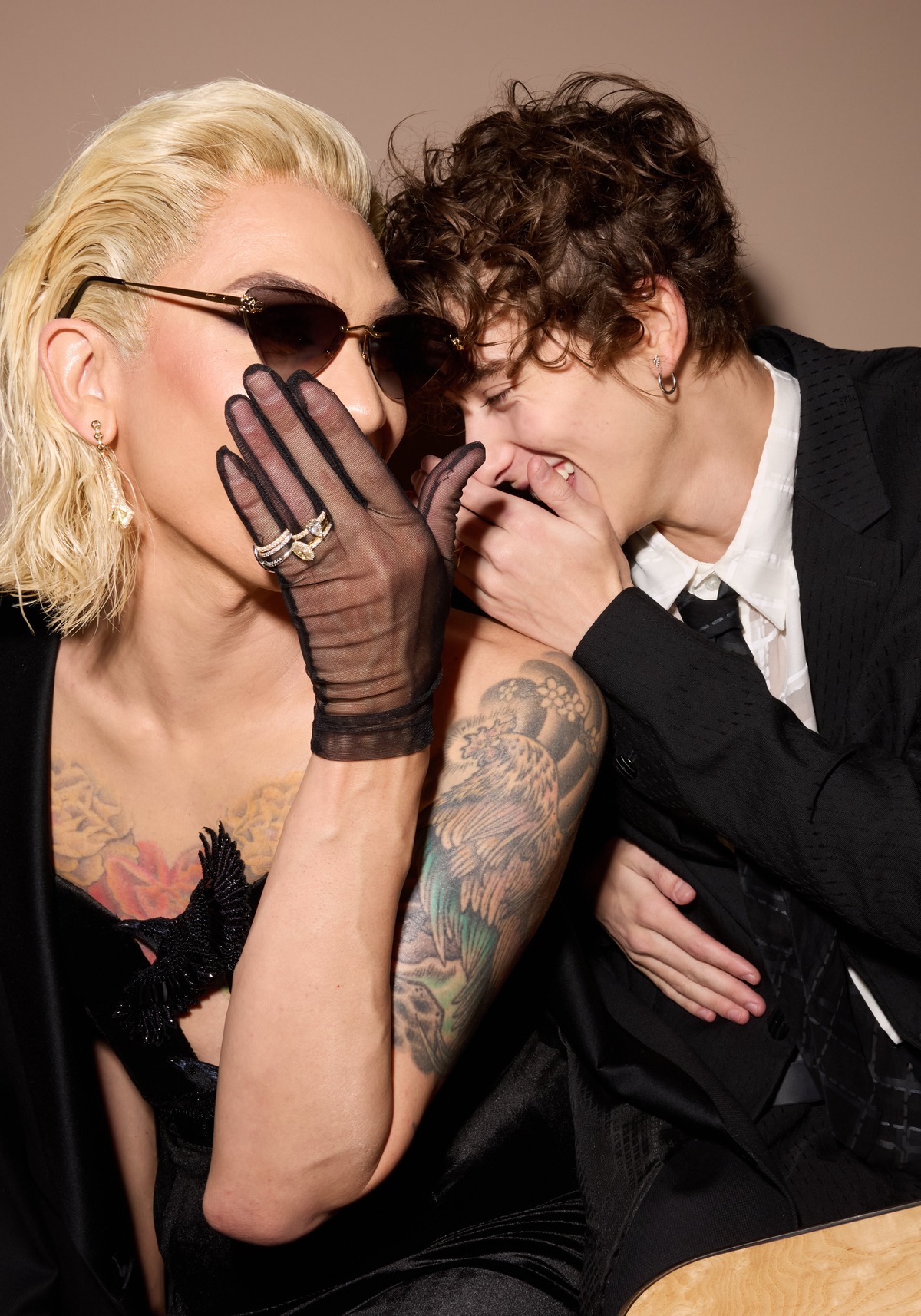
We’re increasingly seeing brands invest as much in capturing experiences as they do in creating them. Not simply for their own social channels. But because those assets enable creators to tell richer stories across their own platforms as well. The result is stronger storytelling on both sides.
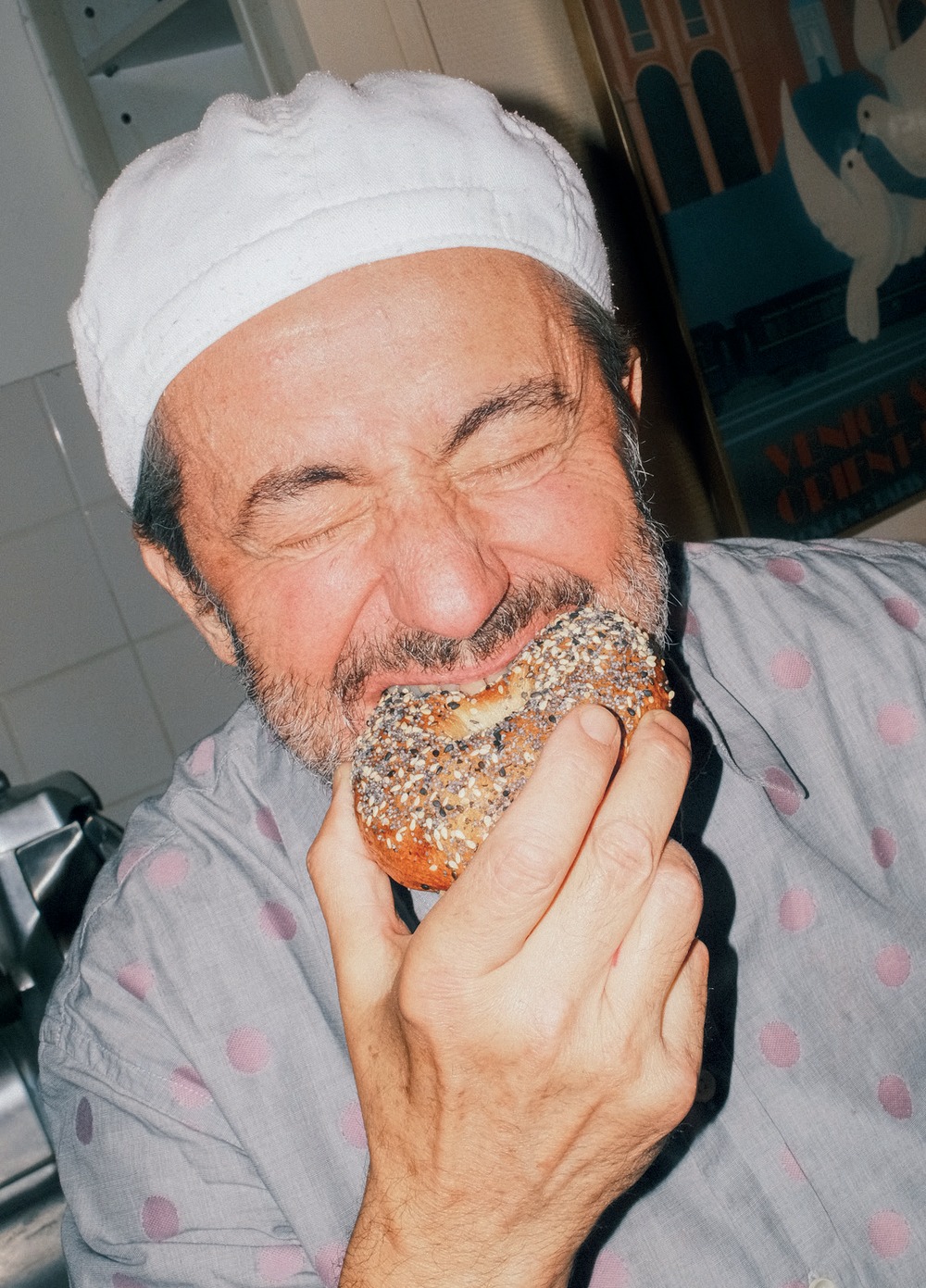
Creators capture authentic moments through their own lens. Brands provide premium visual assets that extend the campaign far beyond the event itself. The event is no longer the campaign’s peak moment. It’s where the storytelling begins.
Optimize for longevity
That’s why the most successful creator events no longer optimize for attendance alone.
They optimize for longevity. The real audience isn’t the 100 people invited. It’s the hundreds of thousands who experience the event afterward through creator stories, community conversations, and earned media. The strongest activations continue to generate visibility for days, and sometimes weeks, after the event itself.
Shared memories are scarce
Digital fatigue is making real-world experiences more valuable precisely because they create something AI can never manufacture: shared memories.
In a world where almost any image, video, or campaign can be generated, genuine experiences have become one of the last truly scarce forms of content. That’s why we believe offline is becoming one of the most strategic investments brands can make online. Not because offline replaces digital. Because it gives digital something real to talk about.
THE MOST VALUABLE CONTENT ISN’T
CREATED ON SOCIAL MEDIA. IT’S CREATED
IN THE REAL WORLD.
OONA/BAAS PERSPECTIVE
We no longer design creator events around attendance. We design them around storytelling.
The question isn’t: “How many people were in the room?” It’s: “How many people will still be talking about it next week?”
The strongest events don’t end when the doors close. That’s when their greatest impact begins.
Because offline experiences give digital culture something real to talk about.
WHAT THIS MEANS FOR BRANDS
- Design experiences for communities before designing content for platforms.
- Treat events as content hubs, not one-off activations.
- Invest in professional photography and social-first video that both the brand and creators can use.
- Think about capture before, during, and after the event, not only once the event is over.
- Measure success beyond attendance by looking at conversation, earned reach, creator output, and the long-term value of the content created.
- Create experiences people genuinely want to share, rather than content that simply asks for attention.
PROOF IN PRACTICE
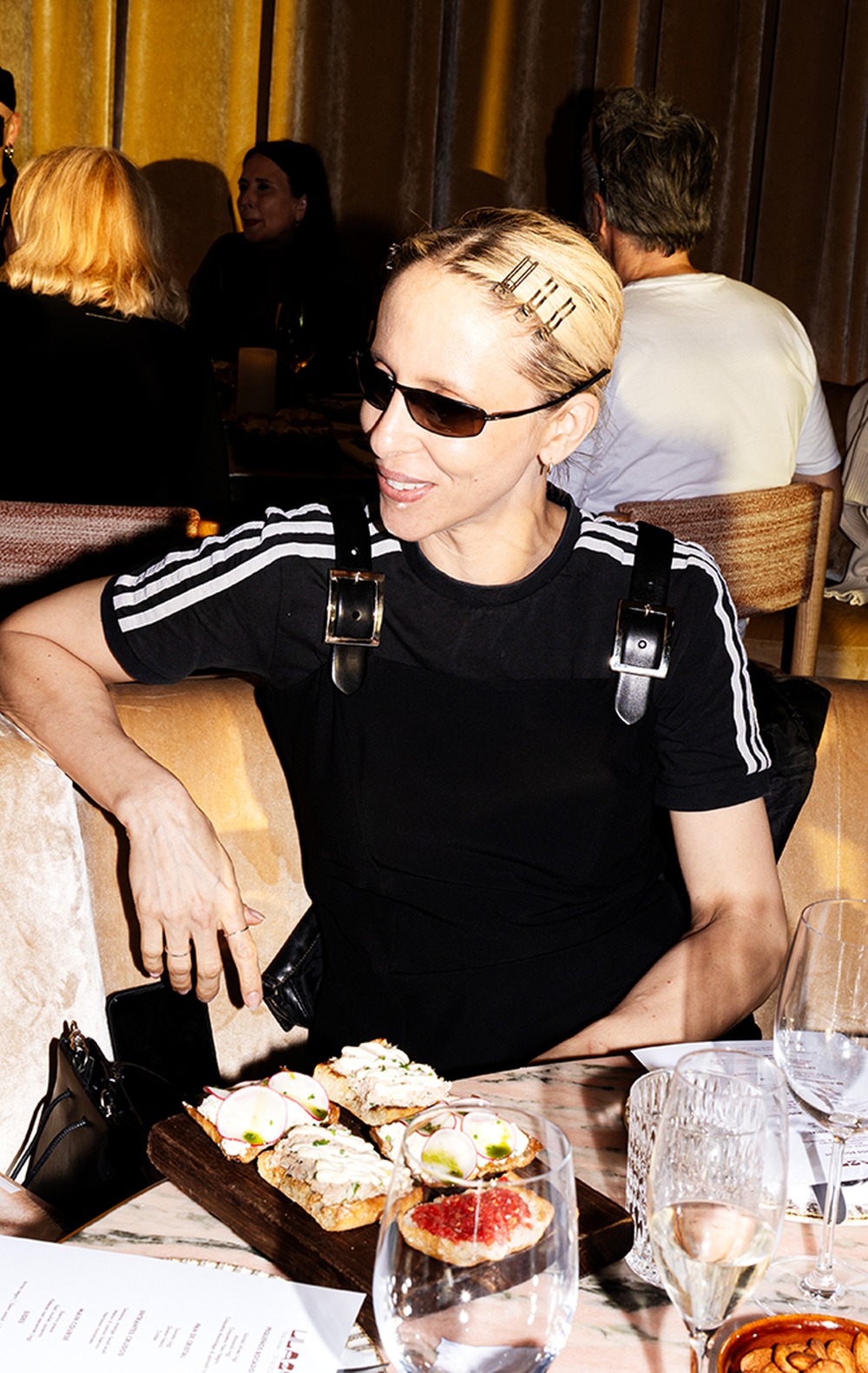
For The Standard, Brussels, we help social start with community, not a content calendar. Through year-round events spanning music, fashion, food, travel, and culture, we bring the right people together and turn real encounters into spontaneous content, word-of-mouth, and credible stories. From a Pride event hosted by Filip Arickx from NIGHTFALL to a community run with Cadence and PAPERBOY. Each time tapping into different community leaders to give access to their communities.

THE HUMAN
INFLUENCE MANIFESTO
The past decade rewarded brands that learned how to createmore content. The next decade will reward the brands thatearn more trust.
Artificial intelligence will continue to transform marketing.It will change how ideas are generated.How campaigns are produced.How quickly content is created.
But throughout this report, one idea has become impossible to ignore.As content becomes more abundant, the things AI cannot automatebecome more valuable.
Communities.Credibility.Culture.Conversations.Human Influence.
We’ve seen creators evolve from media channels into entrepreneurs.We’ve seen content separate from trust.We’ve seen communities become the driving force behind cultural relevance.We’ve seen conversations become reputation.
These aren’t isolated trends.They’re signals of a much bigger shift.
Marketing is moving from broadcasting to belonging.Because what brands say about themselves matters.But we believe what communities sayabout brands matters even more.
Technology will continue to change how brands create.Human influence will determine whether anyone cares.
A Community Intelligence AgencyWe help brands earn their way in culture.
ANTWERP
Rijnkaai 22
B-2000 Antwerp
T +32 3 213 99 90
AMSTERDAM
Overhoeksplein 1
NL-1031 KS Amsterdam
T +31 202 237 490